
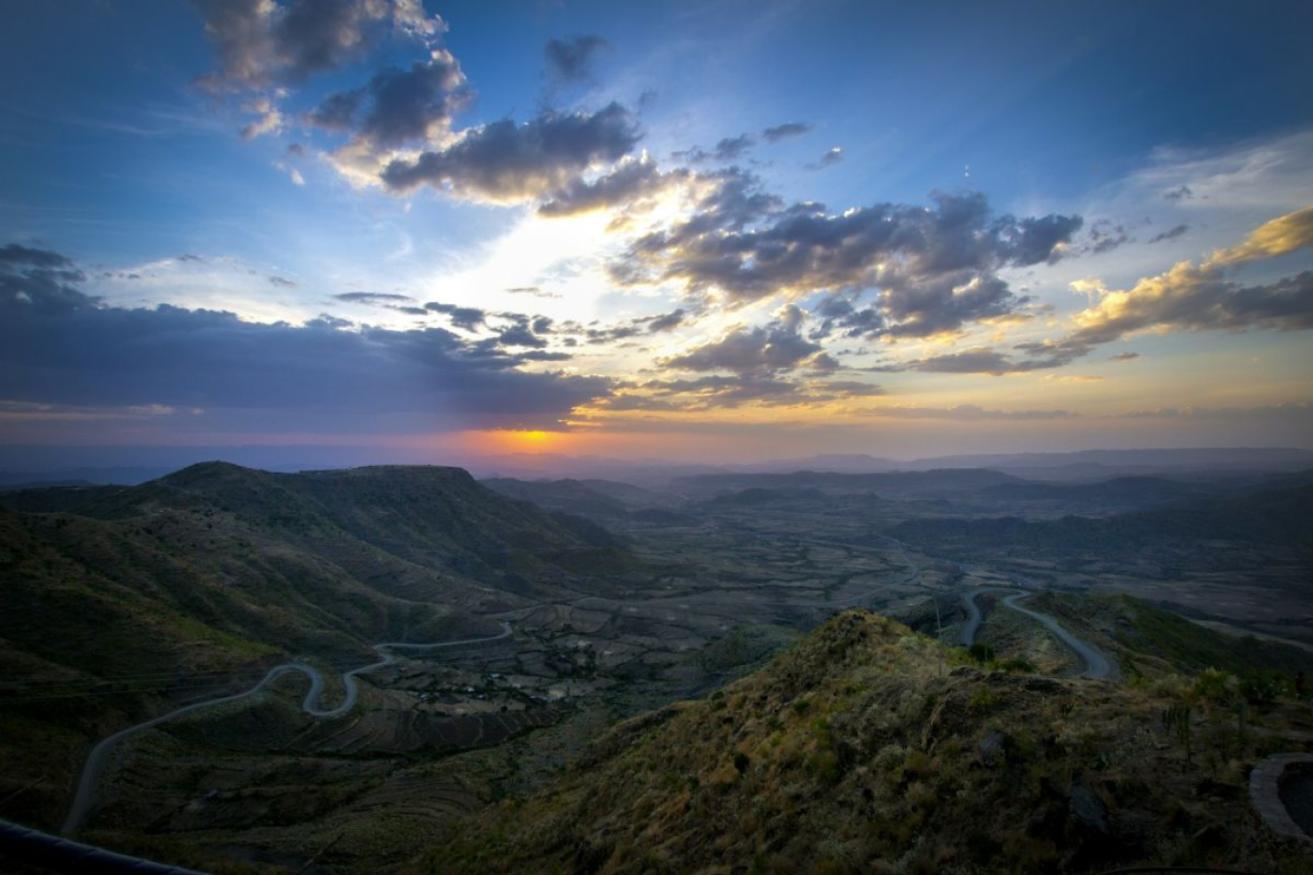
“When is the best time to go?” is the first question almost every traveller asks us. The honest answer is that Ethiopia is a year-round destination, but the right month depends on where you want to go and what you want to see. The country spans everything from the Danakil Depression, one of the hottest places on earth, to Afro-alpine plateaus above 4,000 metres.
The three seasons
- Bega, the dry season (October to February). Clear skies, cool nights in the highlands, green hills just after the rains, and the biggest festivals. This is high season, so flights and good hotels book up early.
- Belg, the short rains (roughly March to May). Occasional afternoon showers in the highlands, fewer visitors, good prices. In the south, this is the main wet period.
- Kiremt, the main rains (June to September). Heavy rain in the highlands, especially in July and August. Landscapes are spectacularly green and some trekking routes become muddy, but Addis Ababa and much of the north remain very visitable.
Region by region
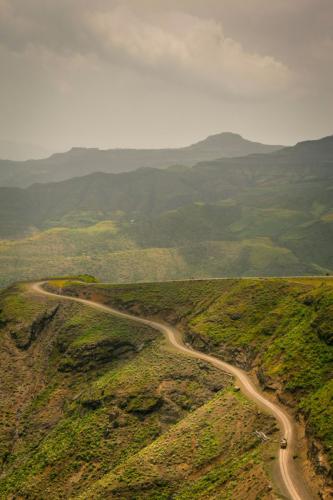
The historic north: Lalibela, Gondar, Axum, Lake Tana
Best from October to March. September is also lovely, with the meskel daisies in flower after the rains.
The Simien and Bale mountains
For trekking, October to February offers the clearest views. Expect frost on the high plateaus at night. Wildlife can be seen year-round.
The Danakil Depression
Only realistic from November to March, when daytime temperatures are merely very hot rather than dangerous. Expedition-style trips run in the cooler months only.
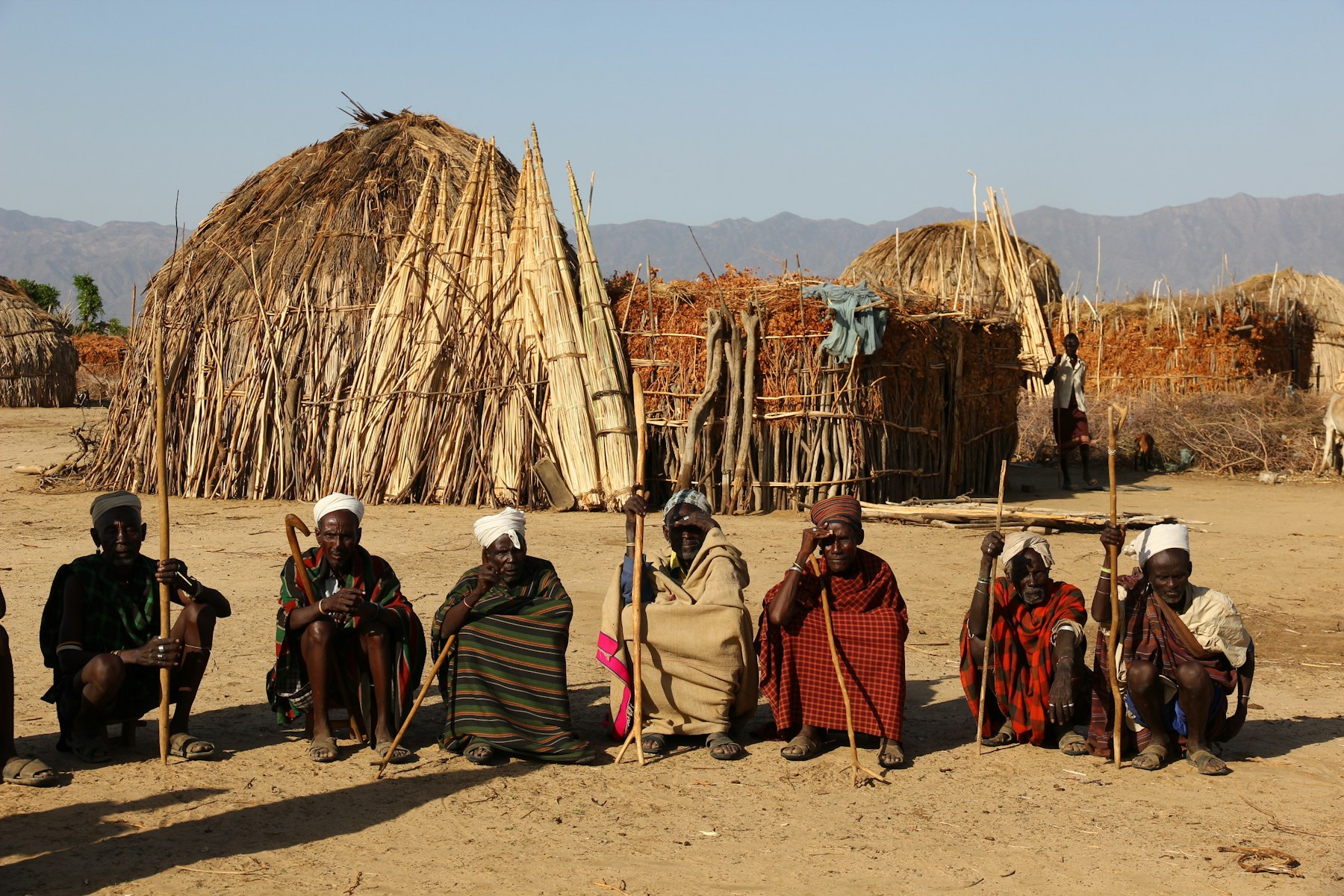
The Omo Valley and the south
Avoid the heaviest rains, usually around April to May, when some roads become impassable. June to February is generally best, and market days set the rhythm of any itinerary here.
The festival calendar
Ethiopia follows its own calendar, thirteen months long and about seven years behind the Gregorian one. The major festivals fall on fixed Gregorian dates, shifting by a day around leap years:
- Enkutatash, Ethiopian New Year: 11 September.
- Meskel, the Finding of the True Cross: 27 September, with huge bonfires the evening before. UNESCO lists it as intangible cultural heritage.
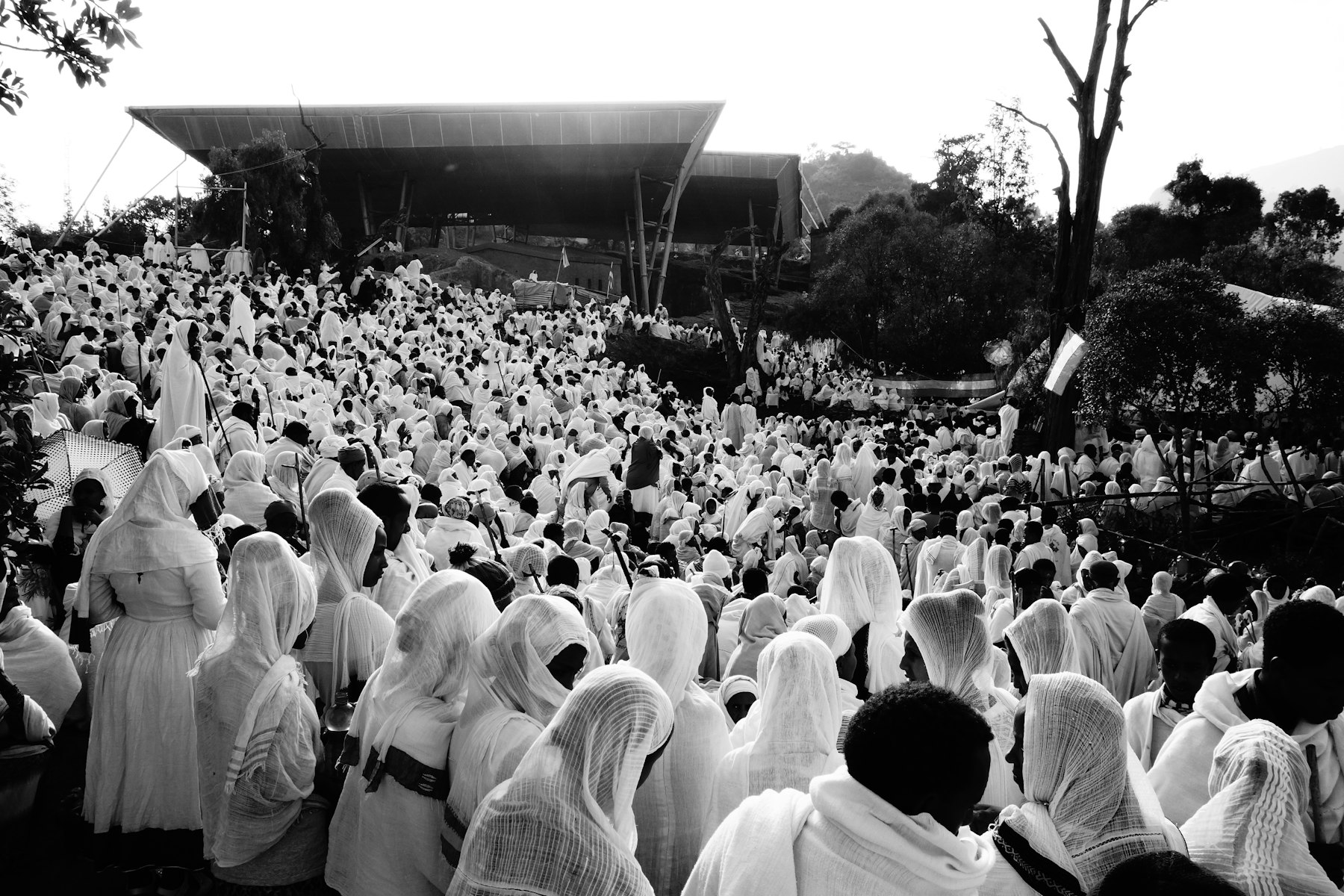
- Genna, Christmas: 7 January, with the great pilgrimage to Lalibela.
- Timkat, Epiphany: 19 January, best experienced in Gondar or Lalibela.
- Fasika, Easter: a moveable feast that ends a 55-day fast.
If you can only travel once, and festivals matter to you, aim for January: Genna and Timkat fall two weeks apart, in the clearest weather of the year.
Tell us the months you can travel and what matters most to you, whether that is trekking, history, wildlife or festivals, and we will tell you honestly what to expect.

Comments
No comments yet. Questions about this trip are welcome too.