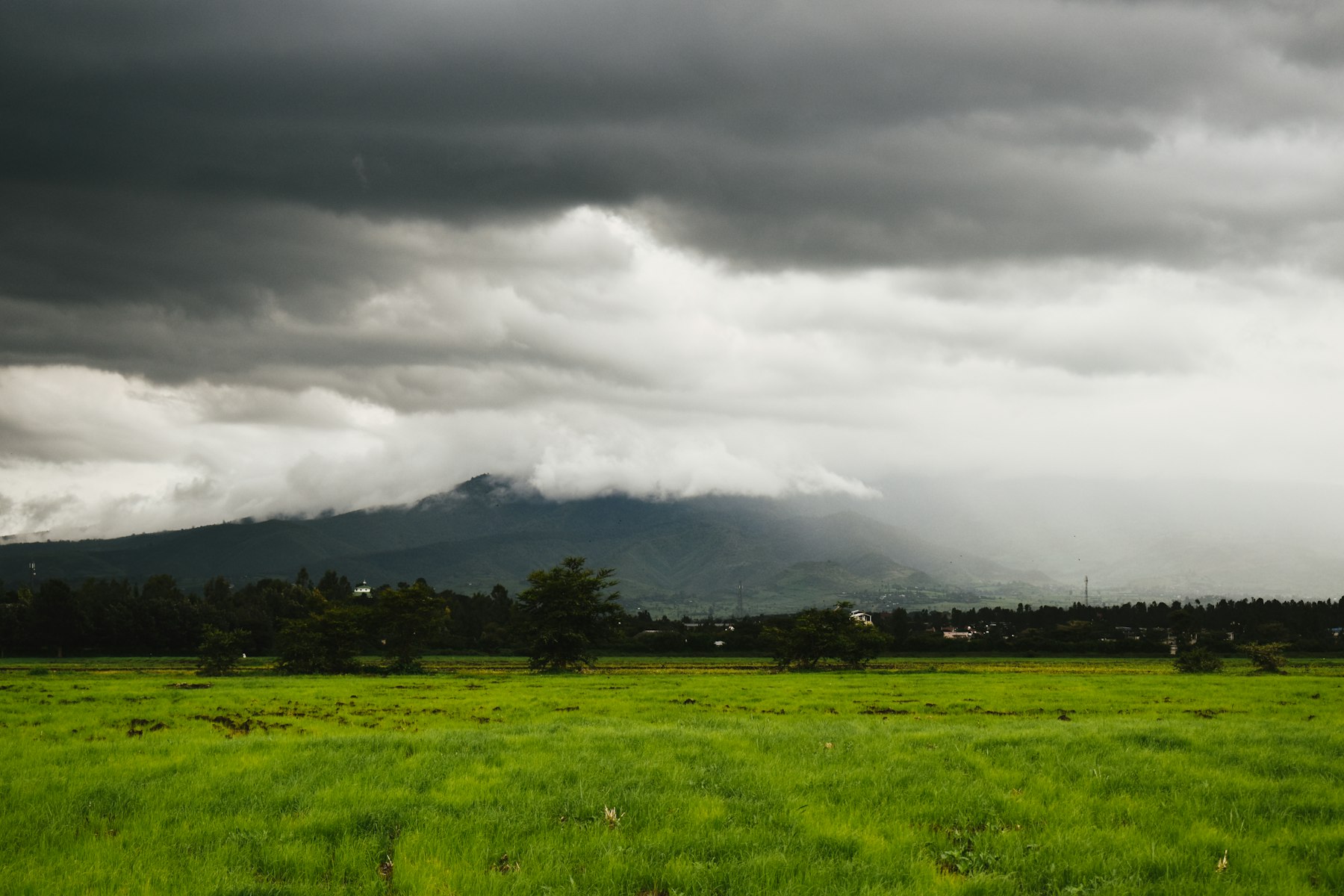
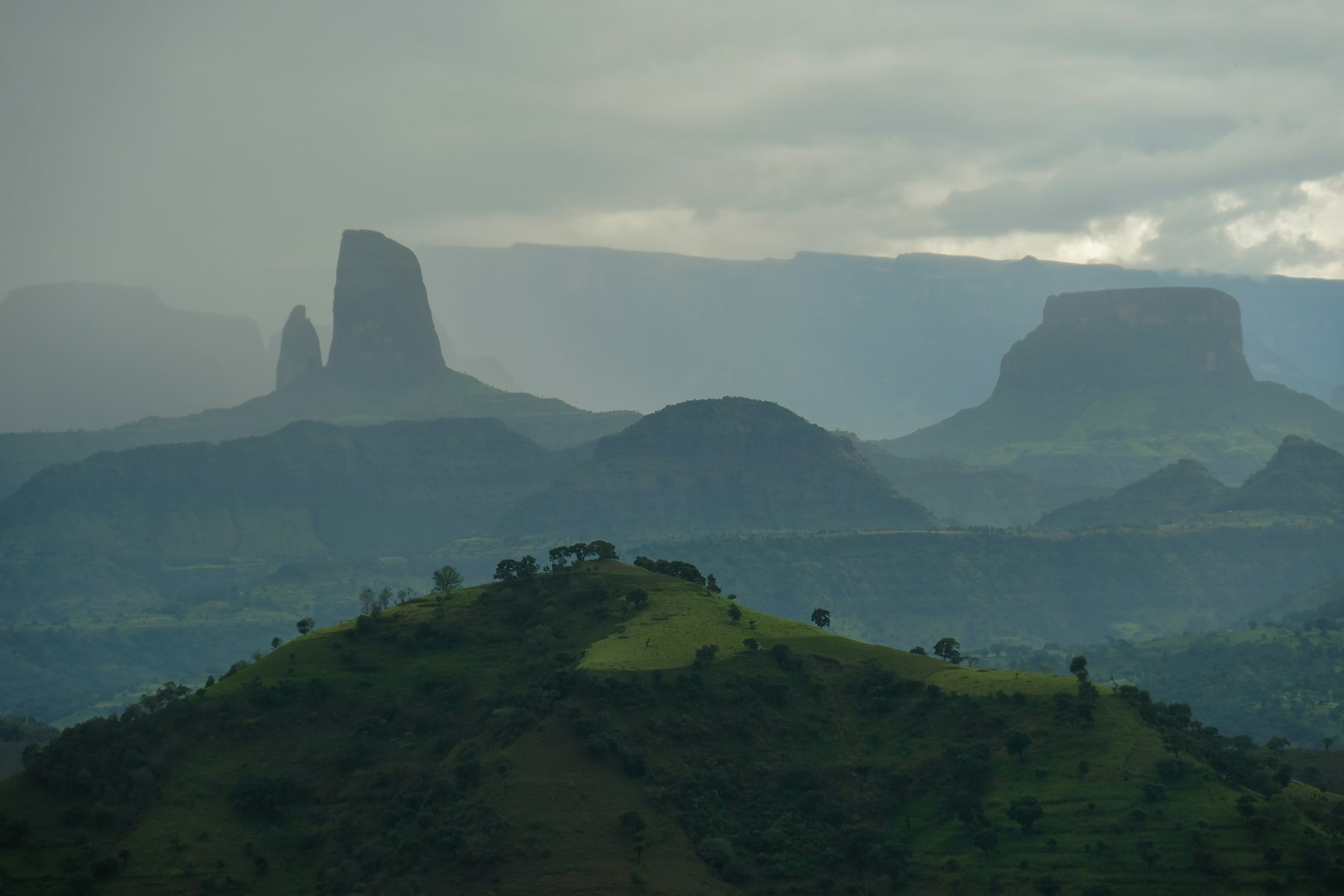
You will meet very different conditions in one trip: warm days in the lowlands, cold nights at altitude, dust, sun and, in the rainy months, showers. Layers are the answer.
Clothing
- Layers for cool mornings and evenings: a fleece or light down jacket is enough for most of the north.
- Light, breathable tops and trousers for the day.
- Modest clothing for churches and mosques: shoulders and knees covered. A light scarf is useful.
- A rain jacket, especially for June to September, and for mountains at any time.
- Warm hat and gloves if you are trekking in the Simien or Bale Mountains.
Footwear
- Sturdy walking shoes or light boots, broken in before you travel. Rock-hewn churches and mountain trails are uneven.
- Sandals are practical for church visits, where you remove your shoes.
Health and comfort
- Sun protection: hat, sunglasses, high-factor sunscreen.
- Insect repellent, especially for lower-altitude areas.
- Any personal medication, in its original packaging.
- Hand sanitiser and a small first-aid kit.
- A reusable water bottle.
Electronics
- Ethiopia uses 220 V power; plugs are commonly types C and F, so bring an adapter.
- A power bank is useful: electricity cuts happen.
- A headlamp is handy for camping and for early starts.
Money and documents
- Carry a mix of payment methods. Cards are accepted in bigger hotels, but cash is needed in many places.
- Keep copies of your passport and visa separate from the originals.
A tip for your bag
Leave some space: you will want to bring back coffee, weaving and crafts.