
Length 06 days
Cultural
Omo Valley
Lower Omo by River (Mago)
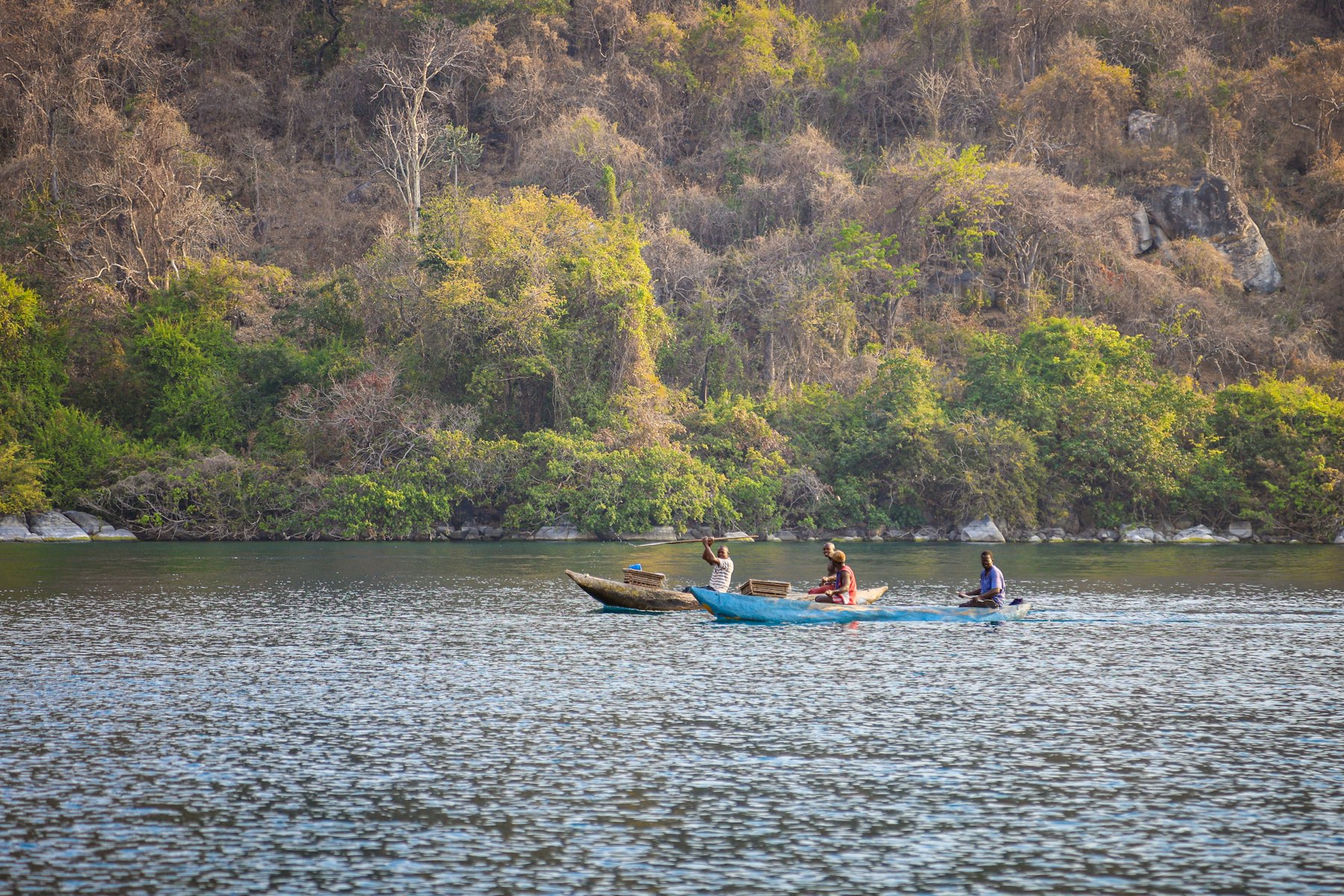
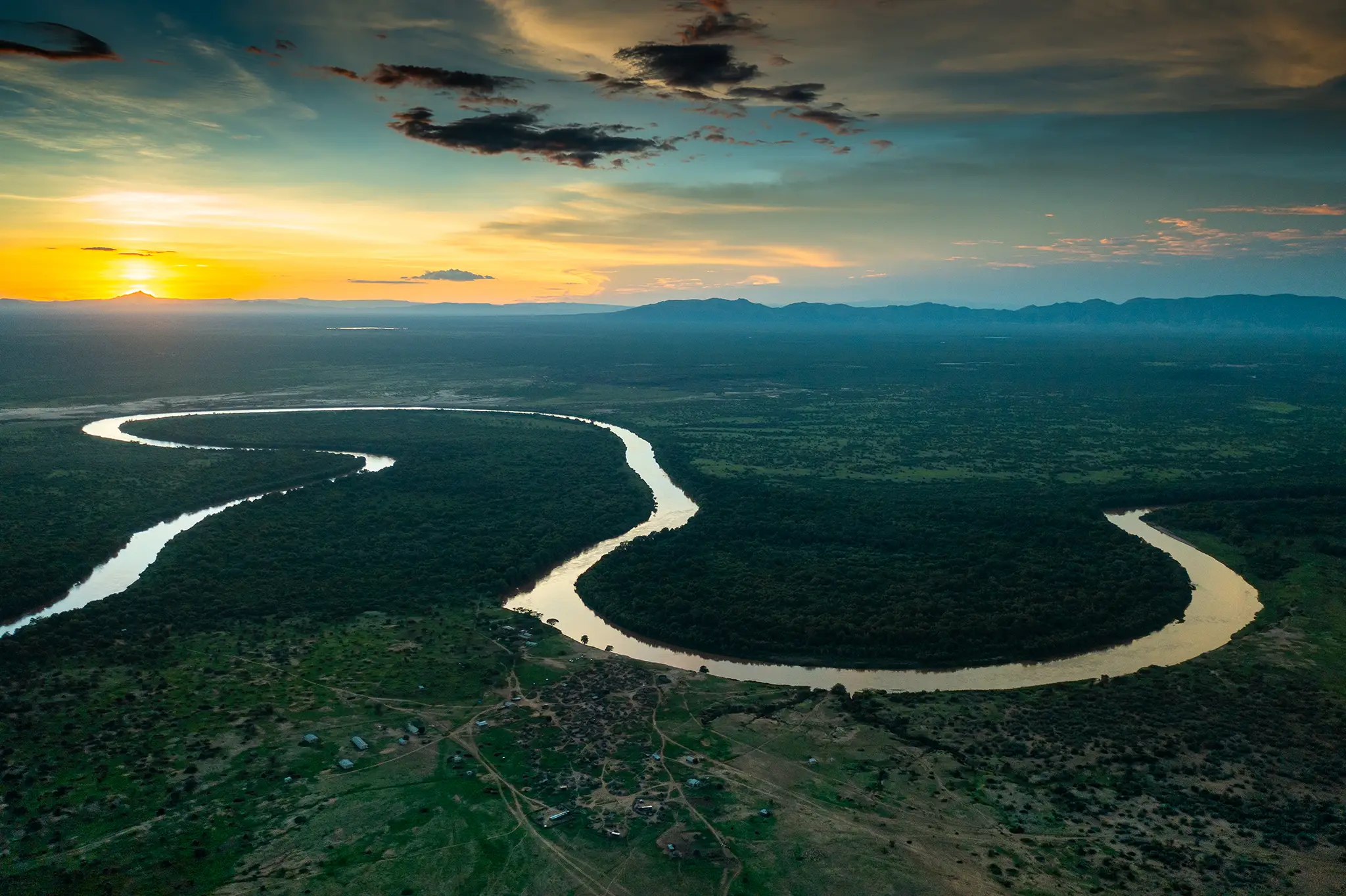
Three nights in a tented camp on a bend of the Omo, with boat days to riverside communities few travellers reach by road.
Cultural journeys
Bamboo hills, mango groves and Berta music on the Sudan border, then down to the Blue Nile and Africa’s largest dam.
Paused while Benishangul-Gumuz is under official travel warnings.
Length 06 days
Omo Valley
Three nights in a tented camp on a bend of the Omo, with boat days to riverside communities few travellers reach by road.
Length 07 days
Harar
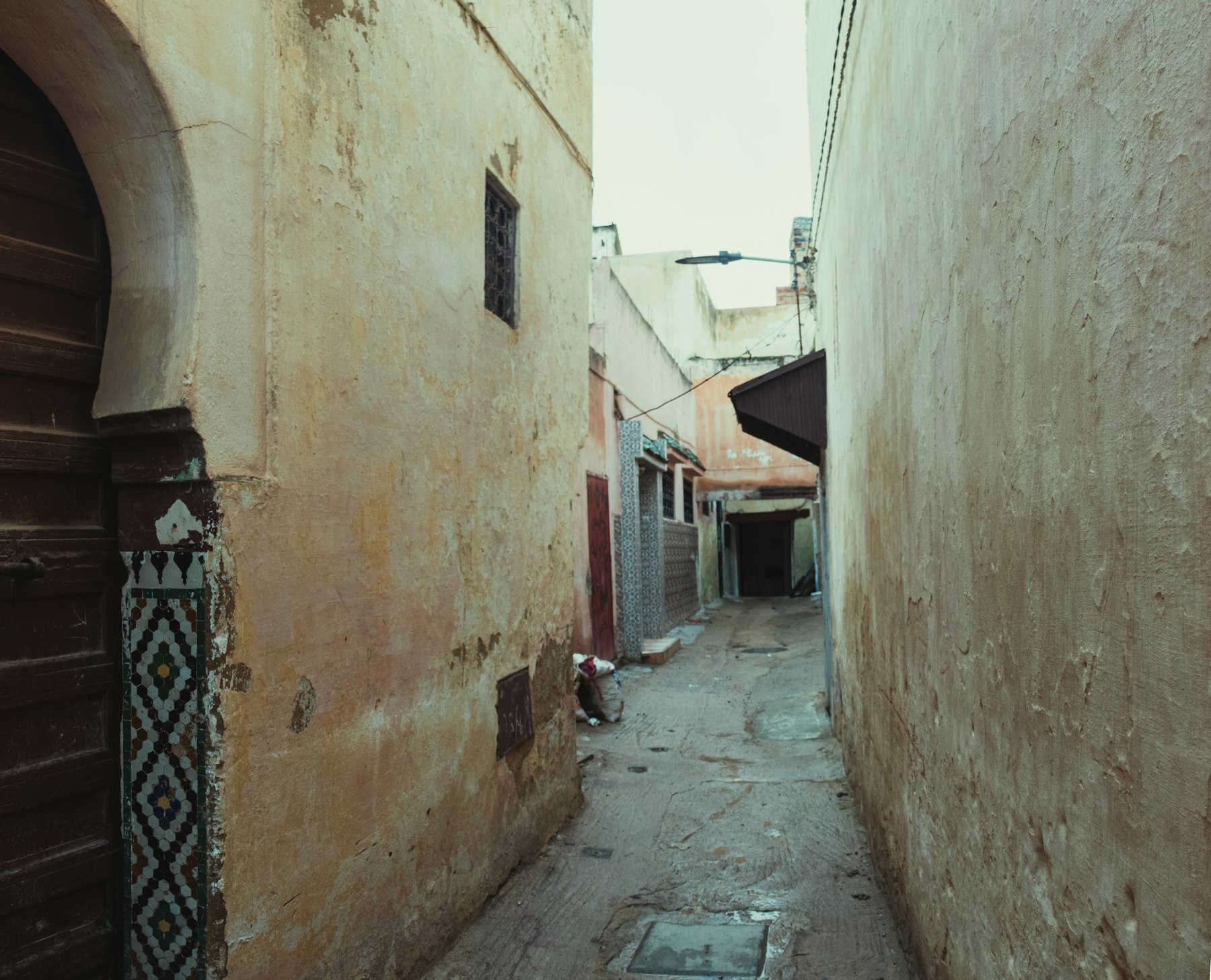
One week, two very different Ethiopias: Harar’s walled lanes and its dusk hyena feeding, then Ari and Mursi communities around Jinka.
Overview
In Asosa the Berta play the waza, long trumpets of gourd and bamboo, each sounding a single note that joins the next in a moving chord. This corner of Ethiopia faces Sudan, not the highlands: Muslim sheikhdoms once ruled from Asosa and Bambasi, traders crossed with gold and salt, and the Blue Nile now fills the reservoir of the Grand Ethiopian Renaissance Dam.
Few visitors come here, so expect warm curiosity, simple hotels and a lot of heat. The days move from markets and palaces to Gumuz villages in the lowlands. This route is paused for now; we will reopen it when it is safe.
Itinerary
Your guide meets you at Bole International Airport for the flight to Asosa, capital of the Benishangul-Gumuz Region. You visit the remains of Sheikh Hojele’s 19th-century palace and the Asosa Cultural Museum, then walk the market, where mangoes, bamboo baskets and Sudanese goods share the stalls.
You drive east to Bambasi, seat of a 19th-century sheikhdom on the old road to the highlands. Along the way a local guide introduces you to a Berta village, and, if the musicians are willing, to the waza. Bamboo forest covers the hills between the two towns.
The road drops toward the Blue Nile lowlands, hot and wide, with gold panners at work along some streams. Late in the day you reach a viewpoint over the Grand Ethiopian Renaissance Dam, inaugurated in September 2025, if visitor access is open.
In the early cool you visit a Gumuz village with a local guide, where families farm sorghum and fish the river. Then you drive back to Asosa for the afternoon flight to Addis Ababa and a transfer to your hotel or international flight.
Itineraries can change with weather, road and flight conditions. We will tell you promptly if they do.
Gallery
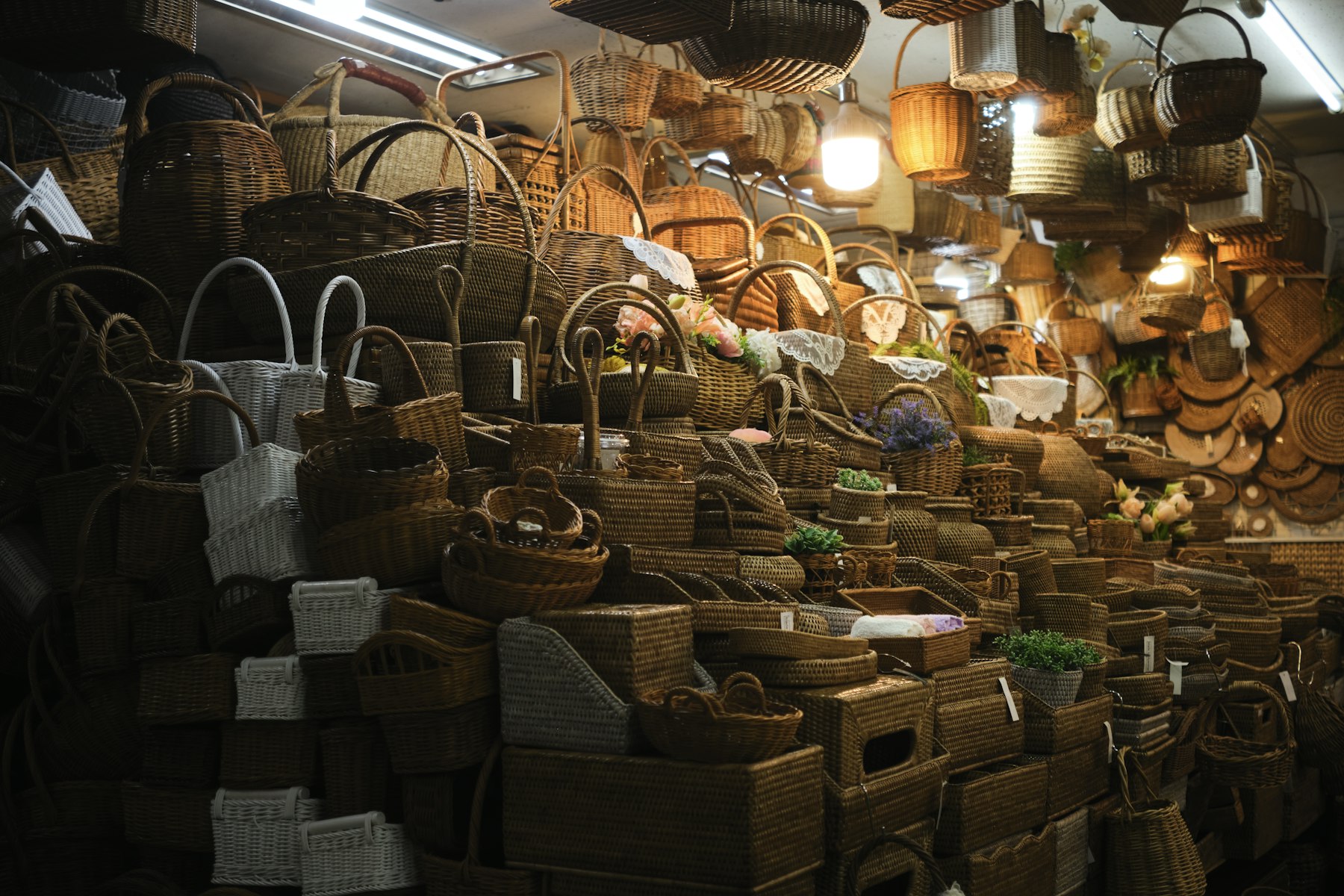
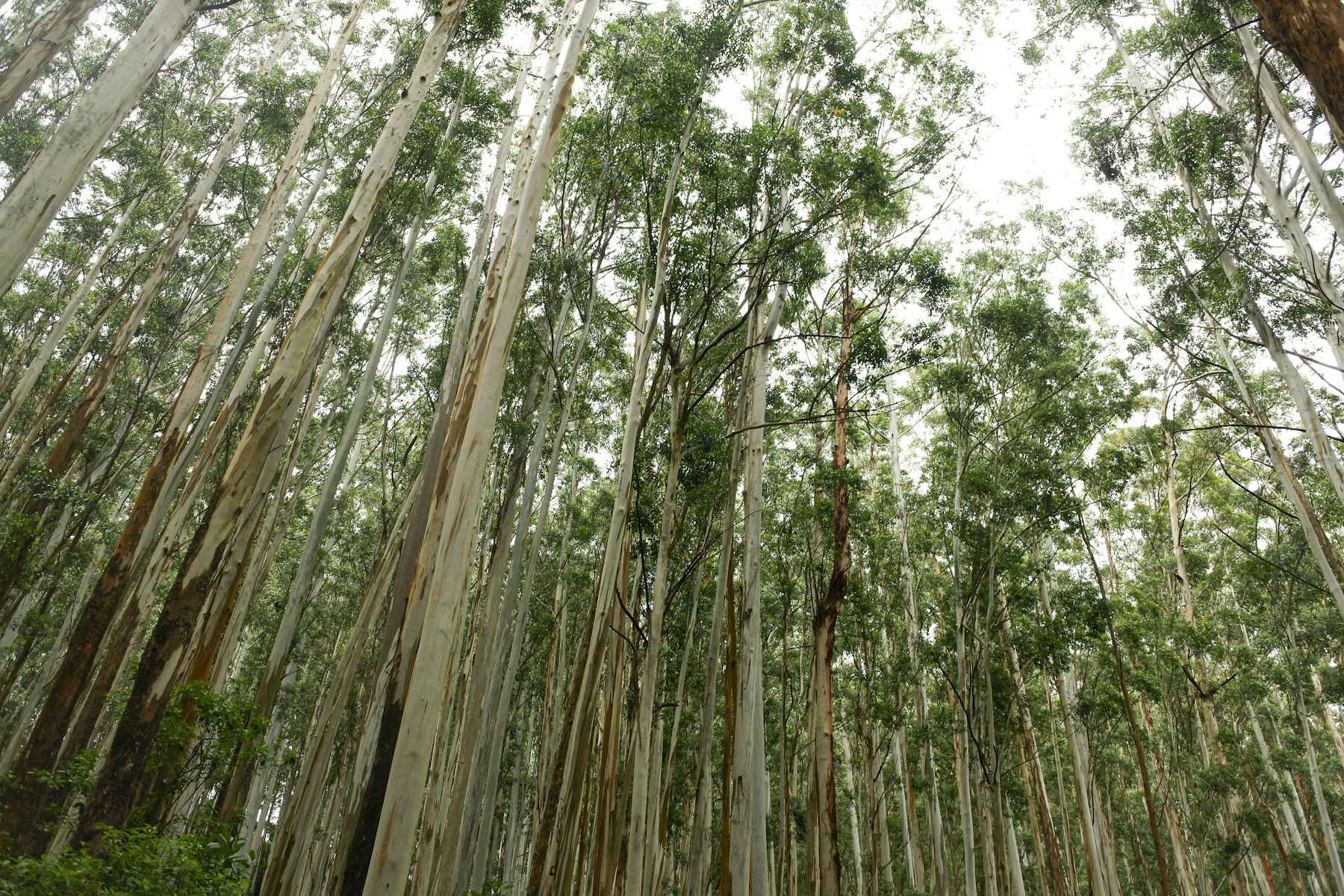
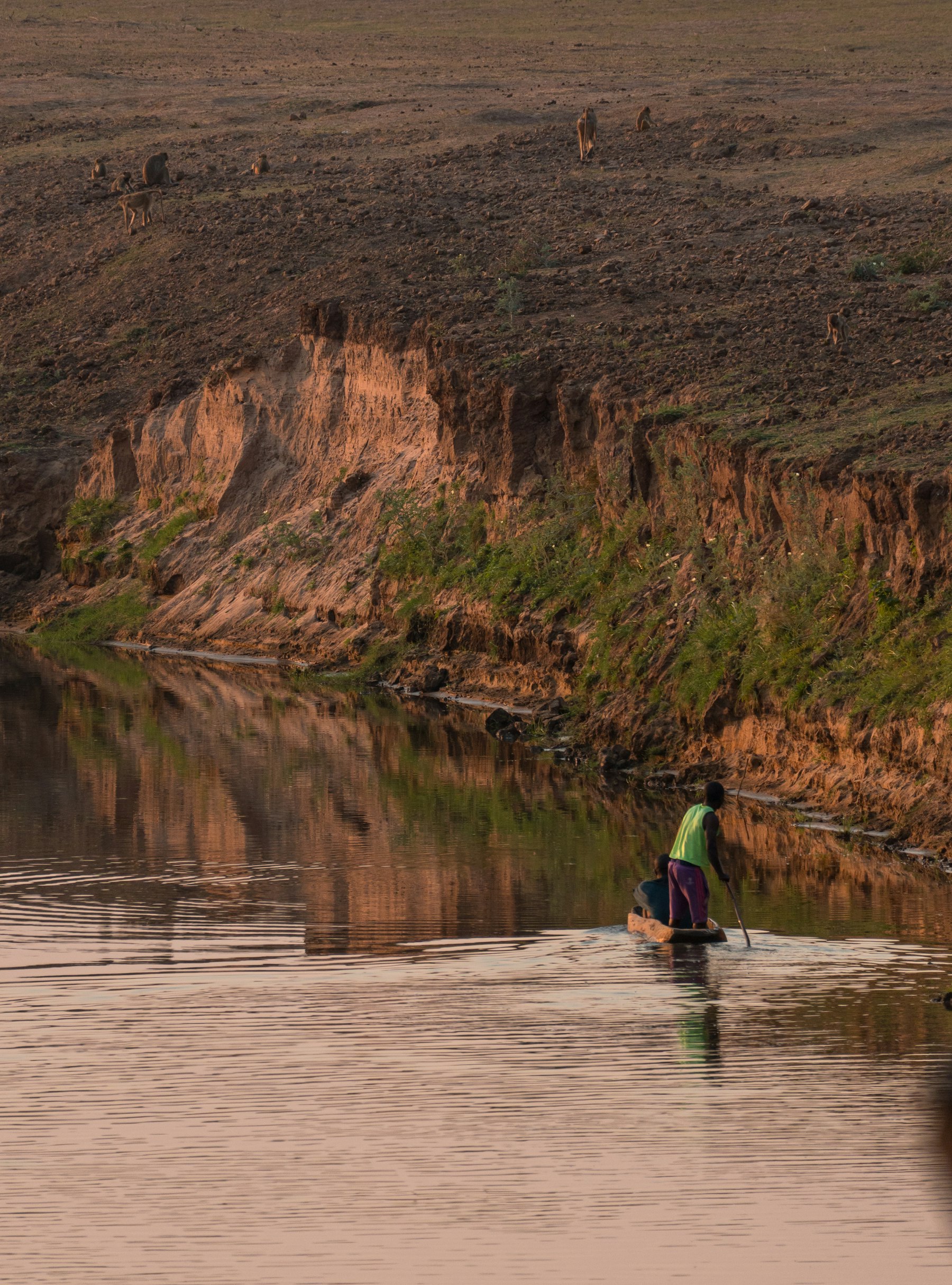
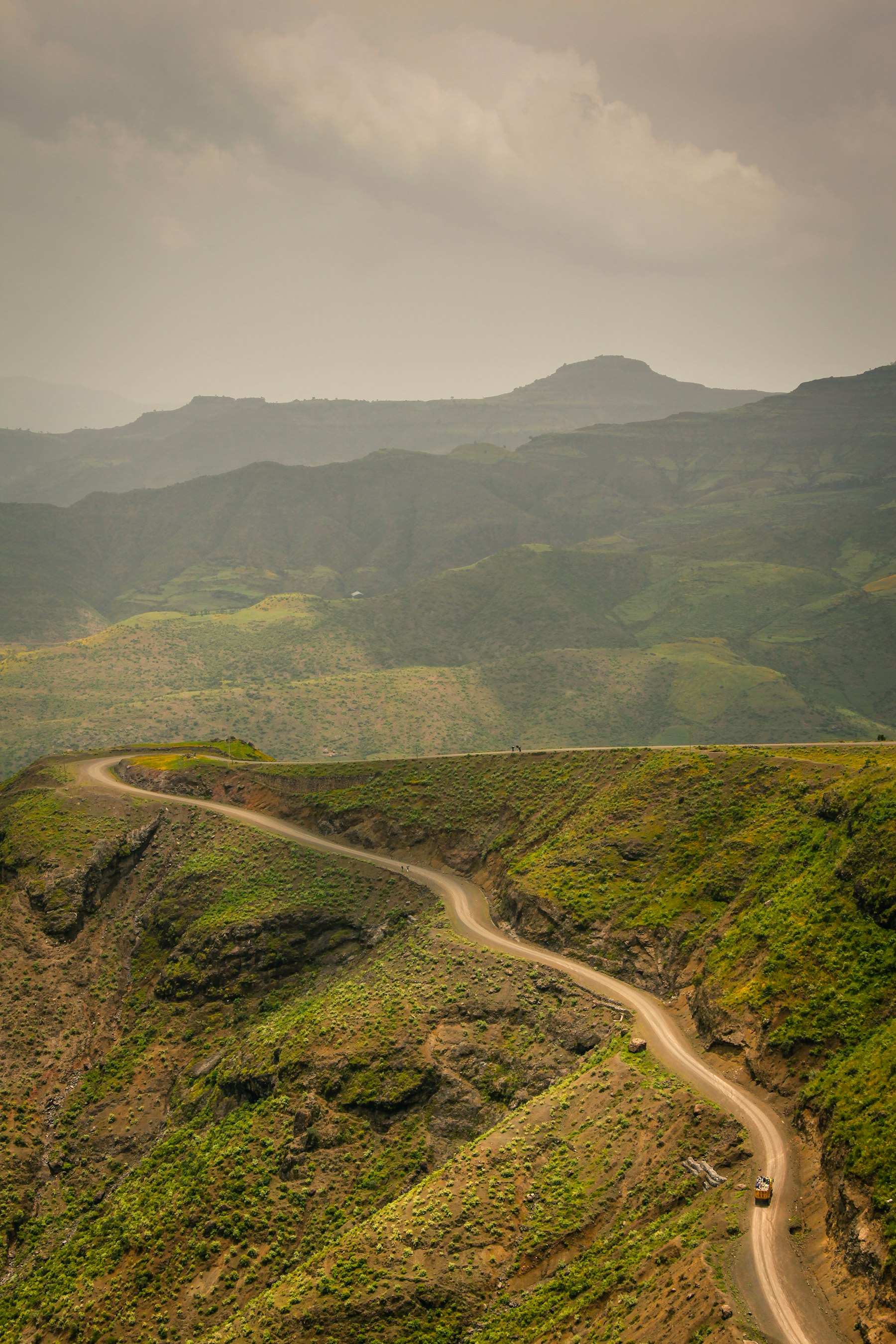
Photo: Unsplash
Good to know
Dress code: Light, loose clothing that covers shoulders and knees; Asosa is largely Muslim, so women may want a scarf for the palace and mosque.
This tour follows the Strict policy. Days are whole calendar days before departure.
| When you cancel | What you get back |
|---|---|
| 30 or more days before departure | 50% refund |
| Fewer than 30 days before departure | No refund |
A non-refundable USD 150 per traveller (domestic flights) is deducted before these percentages are applied.
Questions
You may also like
Departs 17 Jan
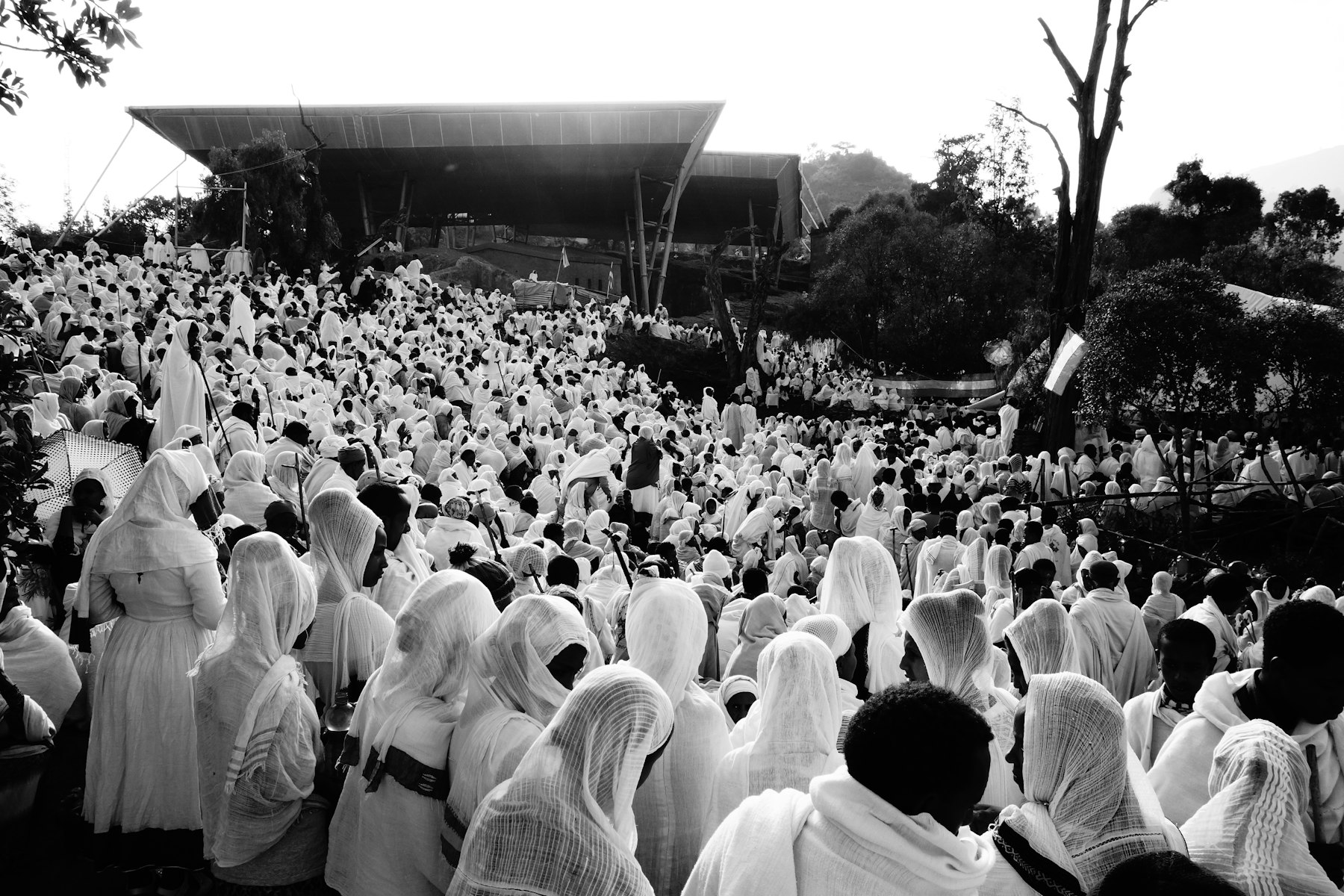
Addis Ababa
Walk beside the tabots to Jan Meda on the eve, then stand in the crowd at dawn as the blessed water falls.
Length 04 days
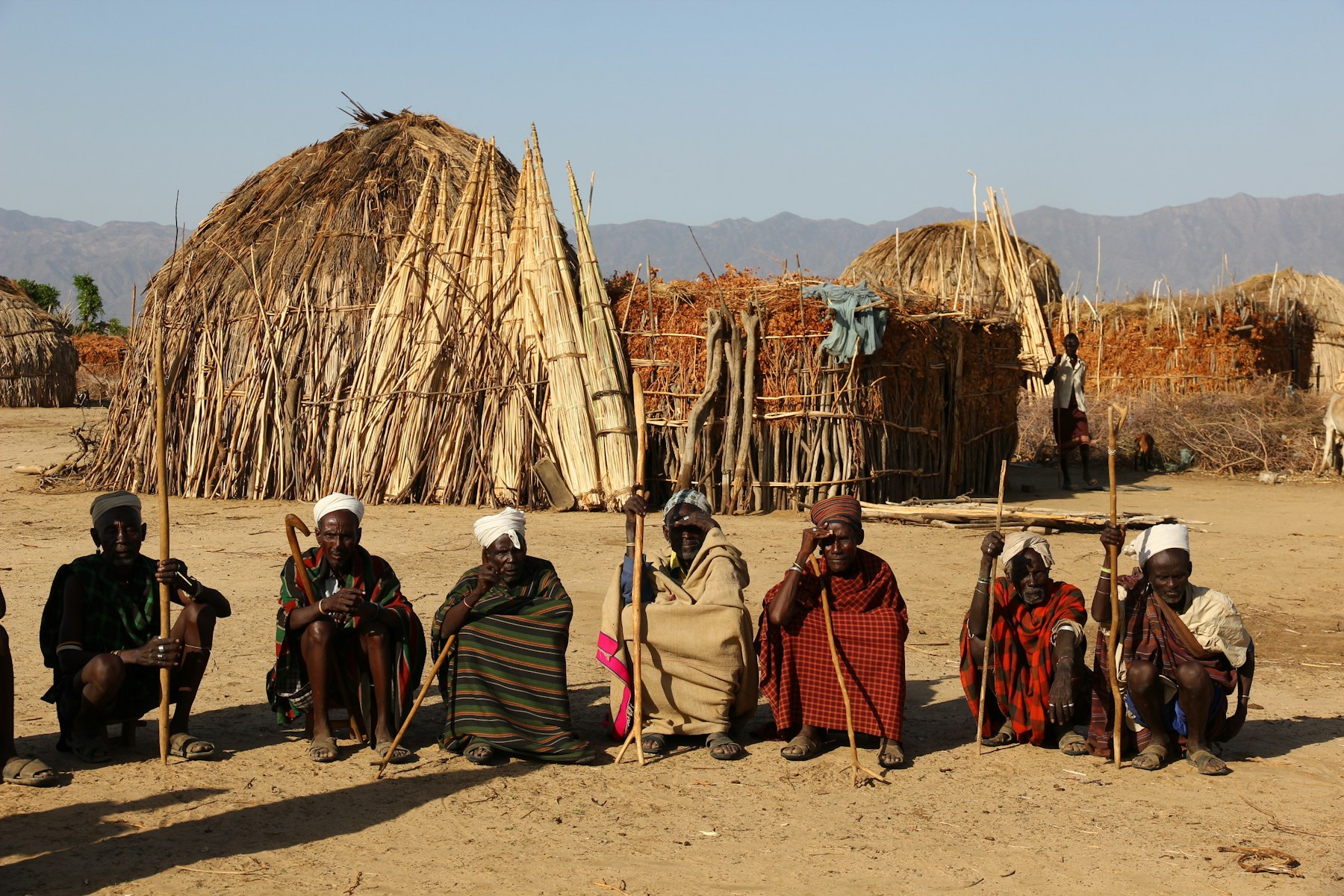
Omo Valley
Four days in the Lower Omo, from Ari farms around Jinka to the Karo village on its bluff above the river.
Length 02 days
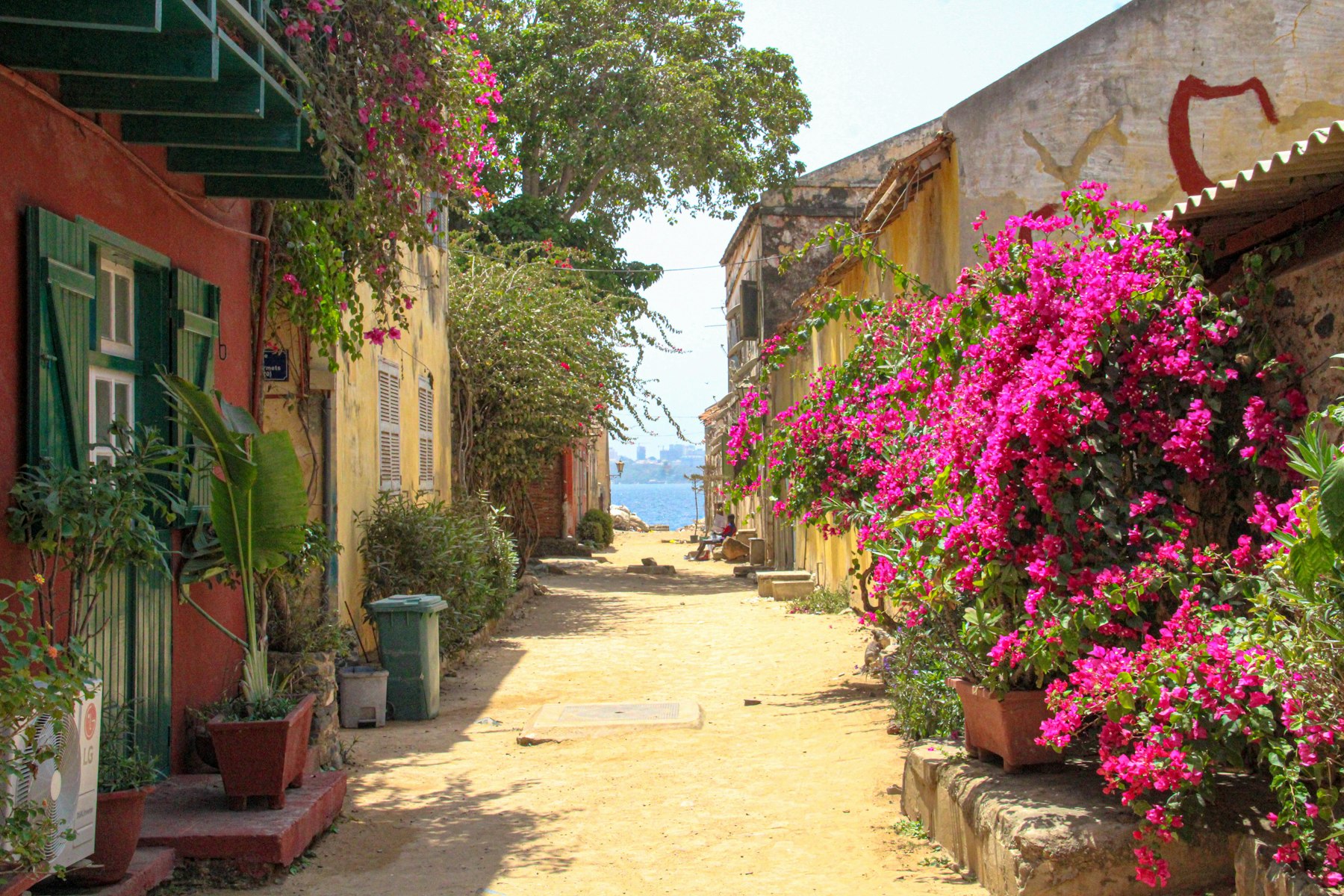
Harar
A walled Muslim city of painted houses and narrow lanes, explored with a Harari guide, and wild hyenas fed by hand at dusk.
Plan with us
Choose your dates above, or tell us what you have in mind and we will shape the trip around you.