One week, two very different Ethiopias: Harar’s walled lanes and its dusk hyena feeding, then Ari and Mursi communities around Jinka.
Overview
The journey in brief
Duration
16 days, 15 nights
Where
Northern · Lalibela
Travel style
Private tour
Best season
October to March
Difficulty
Moderate
Price
USD 3,950 per person
Ethiopia’s north and south can feel like separate countries. In the highlands, kings raised stelae at Axum and cut churches down into the rock at Lalibela. A short flight south, in the lower Omo, Mursi, Hamer and Karo families keep cattle beside a river that runs on to Lake Turkana. This trip crosses both, then ends at Lake Chamo and the Dorze looms above Arba Minch.
Flights link the regions, with nights in Addis between them. The highlands are cool; the Omo is hot and dusty. The south runs now as its own trip, but this route is paused for now; we will reopen it when it is safe.
Highlights
King Ezana’s 24 m stele at Axum and the temple at Yeha
Bete Giyorgis, cut as a cross into Lalibela’s red rock
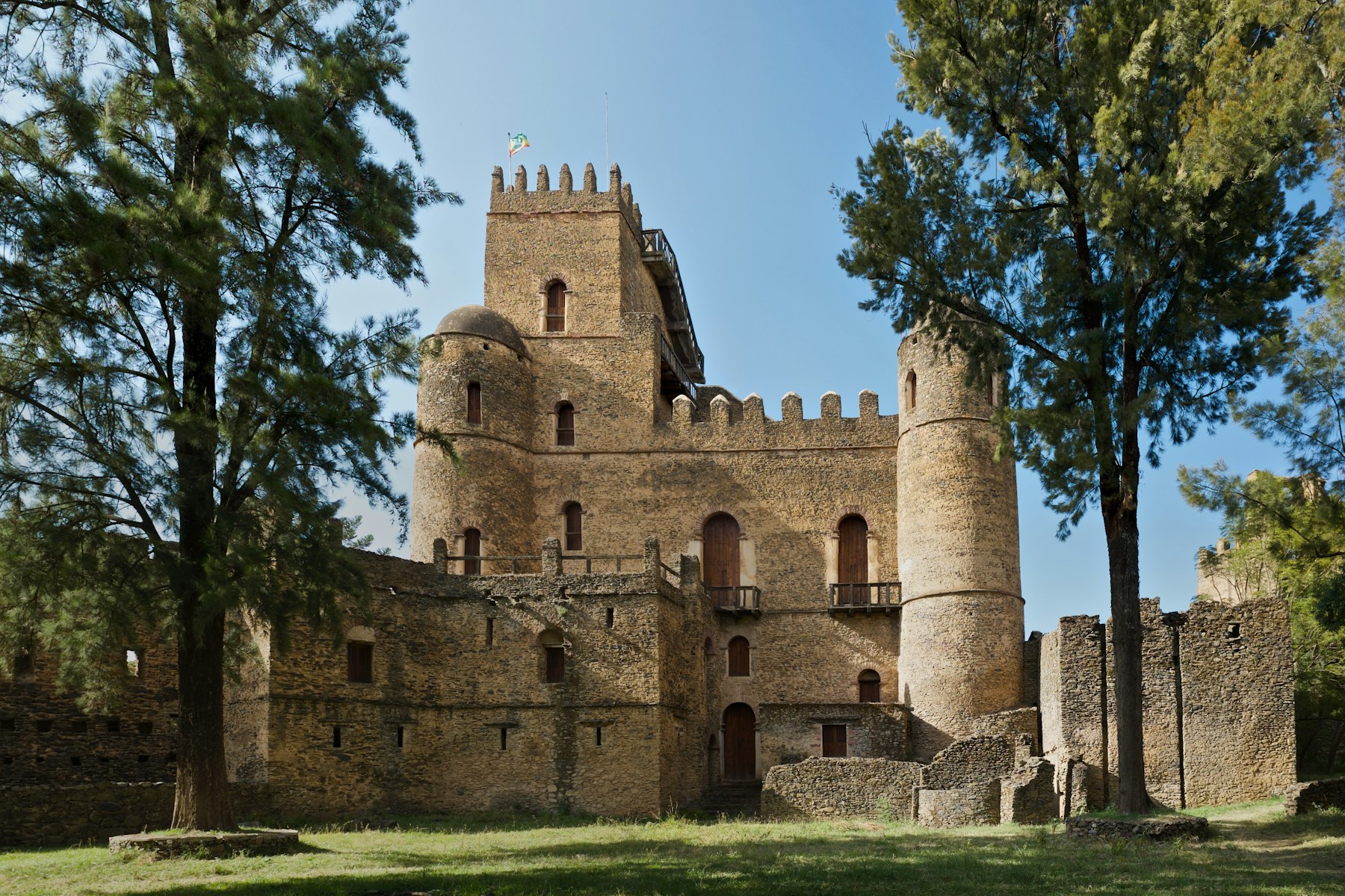
Gondar’s castles and the painted monastery of Ura Kidane Mehret on Lake Tana
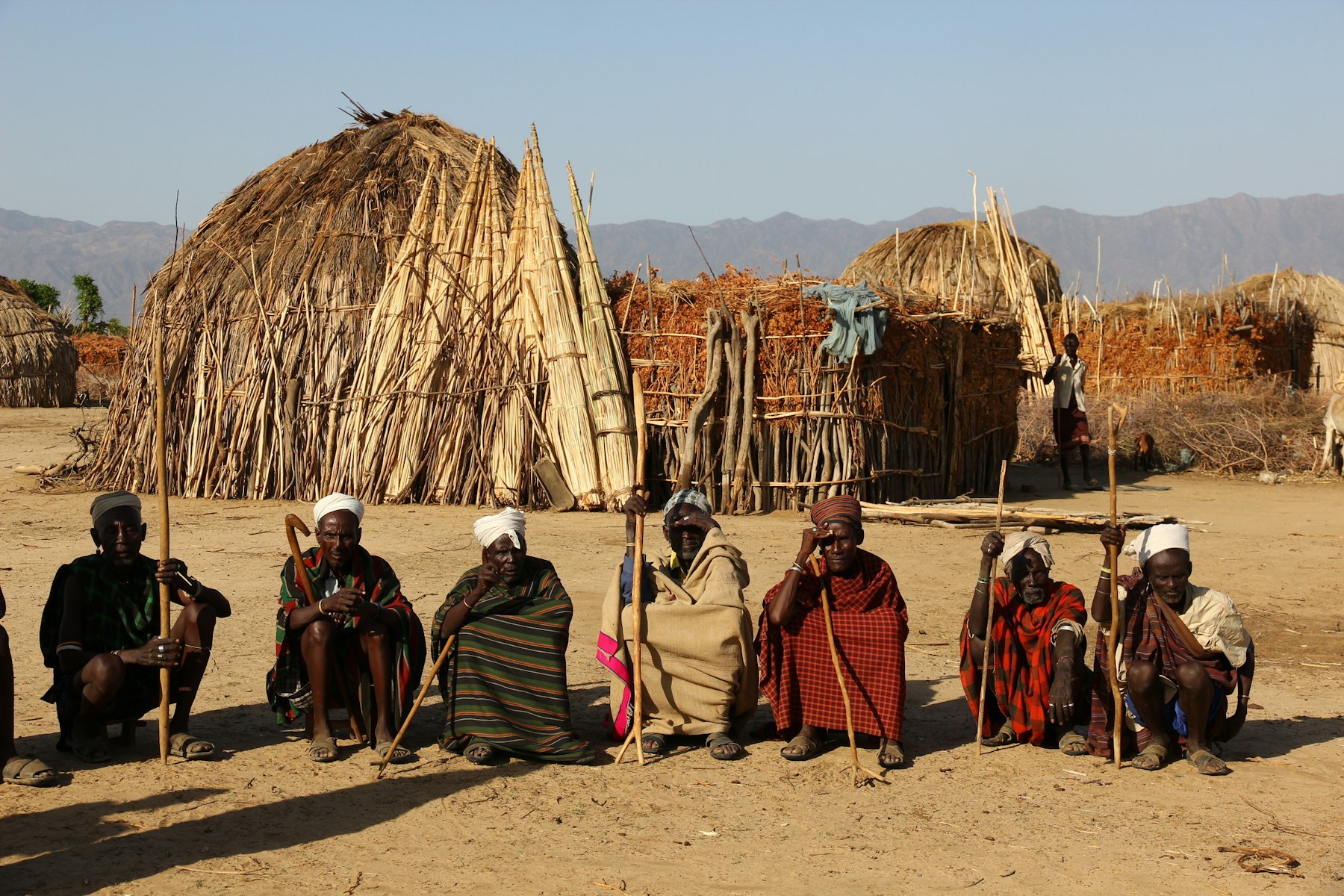
A morning in a Mursi village in Mago, with a local guide
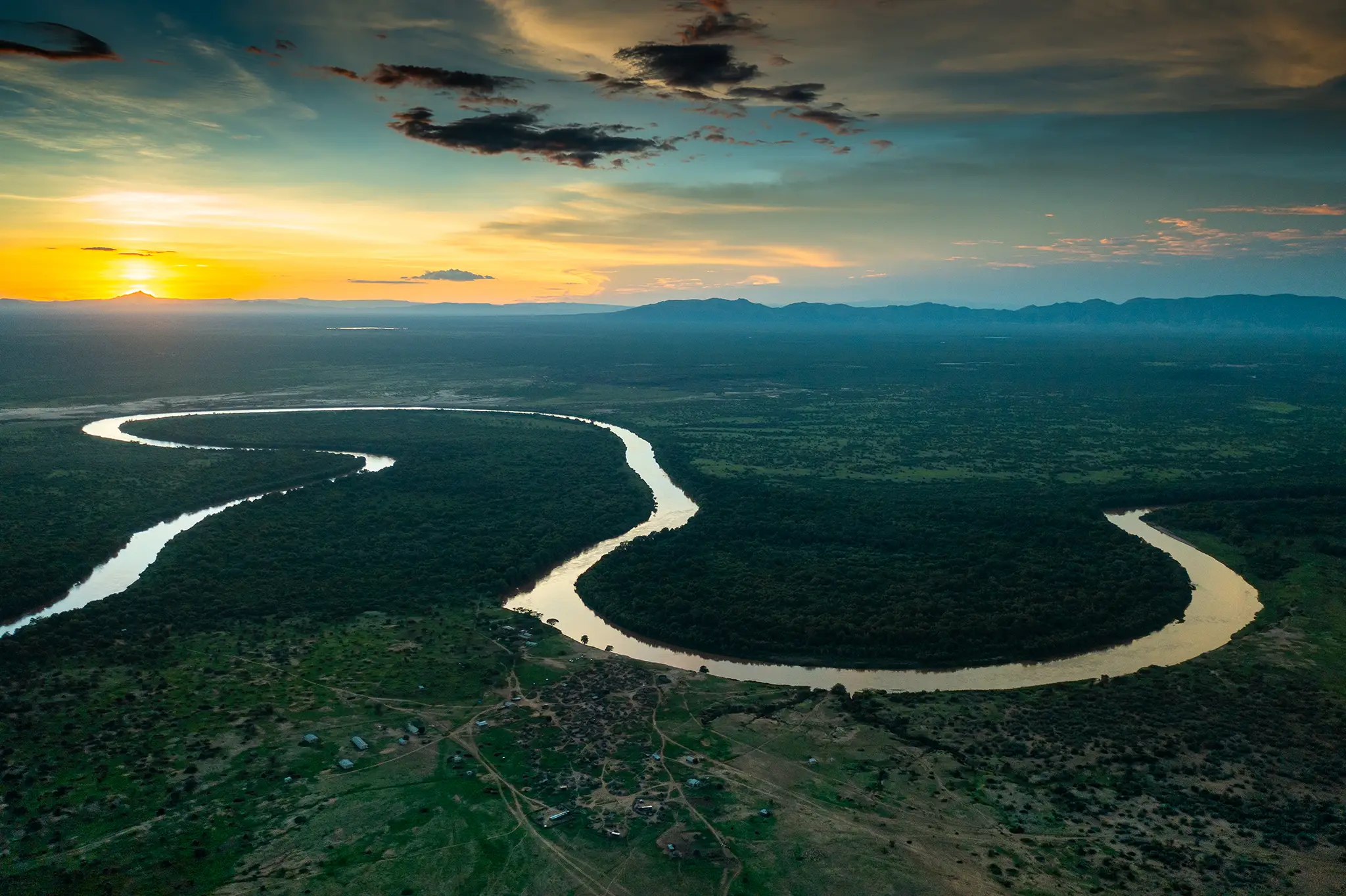
Korcho, the Karo village on a bluff above a bend of the Omo
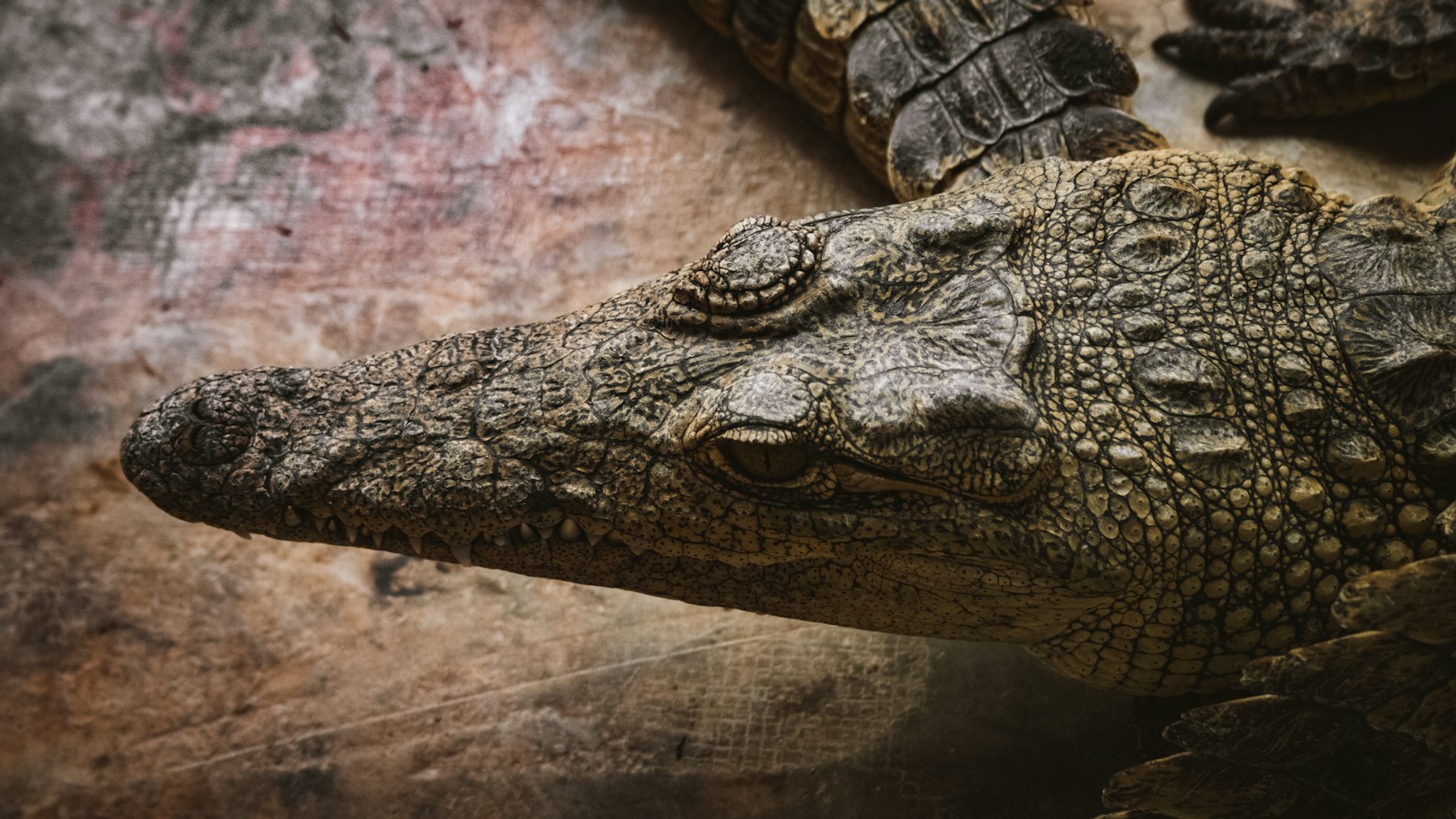
Crocodiles on Lake Chamo and Dorze weavers in the Chencha hills
What is included
15 nights’ accommodation, twin share
Meals as listed in the itinerary
Domestic flights Addis Ababa–Axum, Axum–Addis Ababa–Lalibela, Lalibela–Gondar, Bahir Dar–Addis Ababa, Addis Ababa–Jinka round trip and Addis Ababa–Arba Minch round trip, at the Ethiopian Airlines discounted fare
Private vehicle and driver, with 4WD in the Omo and to Yemrehanna Kristos
English-speaking guide throughout
Local church guides in Axum and Lalibela, and local guides in every Omo community
Park and entrance fees, and the boats on Lake Tana and Lake Chamo
Airport transfers
Bottled water
What is not included
International flights
Ethiopian visa
Domestic fare difference if you do not fly Ethiopian Airlines internationally (about USD 600 for this tour)
Photo fees in the Omo, paid directly to the people you photograph
Single room (optional extra)
Meals not listed
Drinks and personal expenses
Tips for guides and drivers
Travel insurance
Itinerary
Day by day
Day 1Arrival, and the Route AheadAddis Ababa
Your guide meets you at Bole International Airport and takes you to your hotel. The rest of the day is yours, with a short briefing on the two halves of the trip.
Activities
Airport pickup
Route briefing
Free time to rest
Where you stay
Jupiter Hotel Bole, or similar
Meals
None included
Day 2Into the Field of StelaeAxum
A morning flight takes you north to Axum. In the afternoon you walk the main stelae field, where King Ezana’s stele stands 24 m high and the 33 m Great Stele lies broken beside it. The obelisk Italy took to Rome in 1937 stands here again, returned in 2005.
Activities
Morning flight to Axum
Main stelae field
Royal tombs beneath the stelae
Where you stay
Yared Zema Hotel, or similar
Meals
Breakfast, Lunch
Day 3The Ark’s Chapel and the Temple at YehaAxum
The morning takes in St Mary of Zion, whose chapel is said to hold the Ark of the Covenant, the tombs of Kings Kaleb and Gebre Meskel, and the palace ruin of Dungur. In the afternoon you drive to Yeha, where a temple from about 700 BC is Ethiopia’s oldest standing building.
Activities
St Mary of Zion
Tombs of Kaleb and Gebre Meskel
Dungur
Temple at Yeha
Where you stay
Yared Zema Hotel, or similar
Meals
Breakfast, Lunch
Day 4Through Addis to LalibelaLalibela
Axum’s only flights go to Addis Ababa, so you connect there for the onward flight to Lalibela. You arrive in the afternoon and walk the northern group of churches, linked by trenches and tunnels in the red rock.
Activities
Flight to Addis Ababa
Connecting flight to Lalibela
Northern group of churches
Where you stay
Tukul Village, or similar
Meals
Breakfast, Lunch
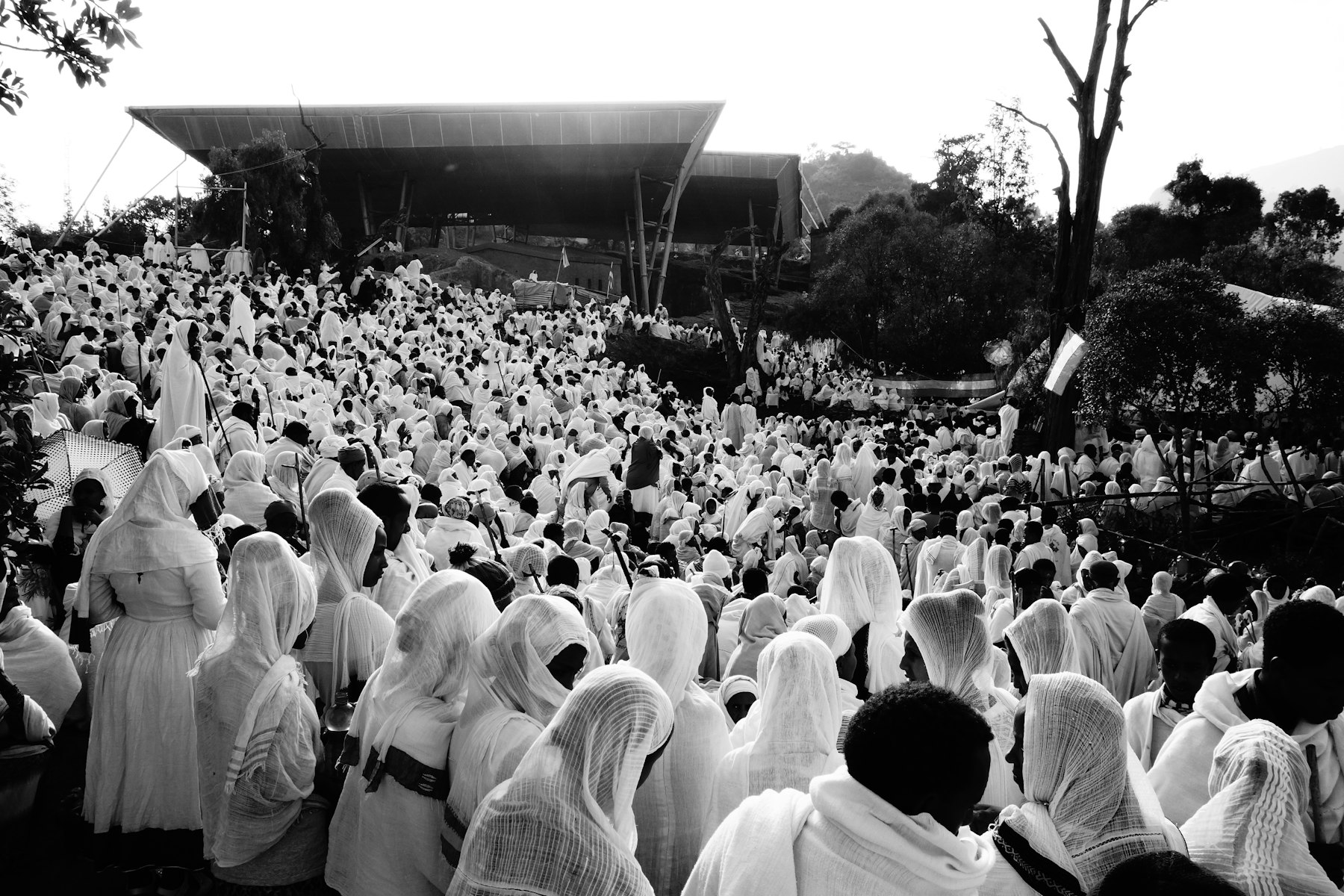
Day 5Lalibela’s Churches in the RockLalibela
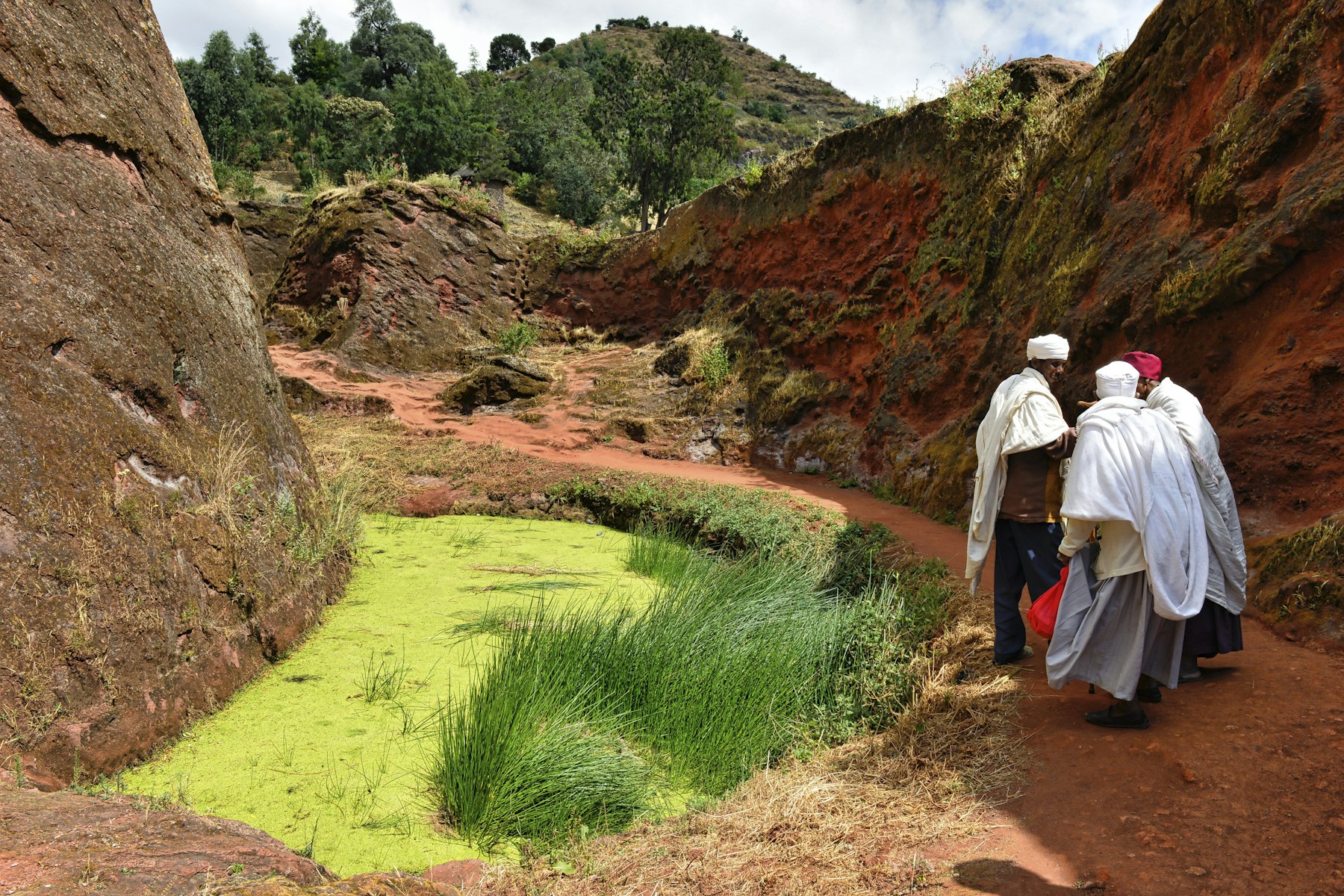
In the morning you look down into the pit where Bete Giyorgis stands, its roof carved as a cross, then walk the eastern group with a local church guide. In the afternoon you drive about 1.5 hours by 4WD to Yemrehanna Kristos, a church of wood and stone built inside a cave.
Activities
Bete Giyorgis
Eastern group of churches
Yemrehanna Kristos by 4WD
Where you stay
Tukul Village, or similar
Meals
Breakfast, Lunch
Day 6Gondar’s Castles and Eighty AngelsGondar
A short flight crosses the highlands to Gondar. In the afternoon you walk Fasil Ghebbi, the walled royal enclosure begun by Emperor Fasilides in the 17th century, then look up at the 80 angel faces on the ceiling of Debre Birhan Selassie.
Activities
Flight to Gondar
Fasil Ghebbi castles
Debre Birhan Selassie
Where you stay
Four Sisters guesthouse, or similar
Meals
Breakfast, Lunch
Day 7Along Lake Tana to the Blue NileBahir Dar
In the morning you see the Fasilides bath, where Gondar celebrates Timket, then drive about 3 hours south with Lake Tana beside you. In the late afternoon you visit the Blue Nile Falls and cross the stone bridge built in 1626.
Activities
Fasilides bath
Drive along Lake Tana
Blue Nile Falls and the 1626 bridge
Where you stay
Blue Nile Resort, or similar
Meals
Breakfast, Lunch
Day 8Lake Tana by Boat, Then AddisAddis Ababa
An early boat crosses Lake Tana to the Zege peninsula and Ura Kidane Mehret, its walls covered in painted saints and Bible stories. In the afternoon you fly to Addis Ababa for a quiet night between north and south.
Activities
Boat to Ura Kidane Mehret
Afternoon flight to Addis Ababa
Free evening
Where you stay
Jupiter Hotel Bole, or similar
Meals
Breakfast, Lunch
Day 9South to Jinka and the Ari VillagesJinka
A morning flight takes you to Jinka, the market town for South Omo. In the afternoon you visit Ari families in the farming villages around town, where coffee, enset and clay pots are part of the day’s work.
Activities
Flight to Jinka
Afternoon in an Ari village
Evening briefing with your guide
Where you stay
Jinka Resort, or similar
Meals
Breakfast, Lunch, Dinner
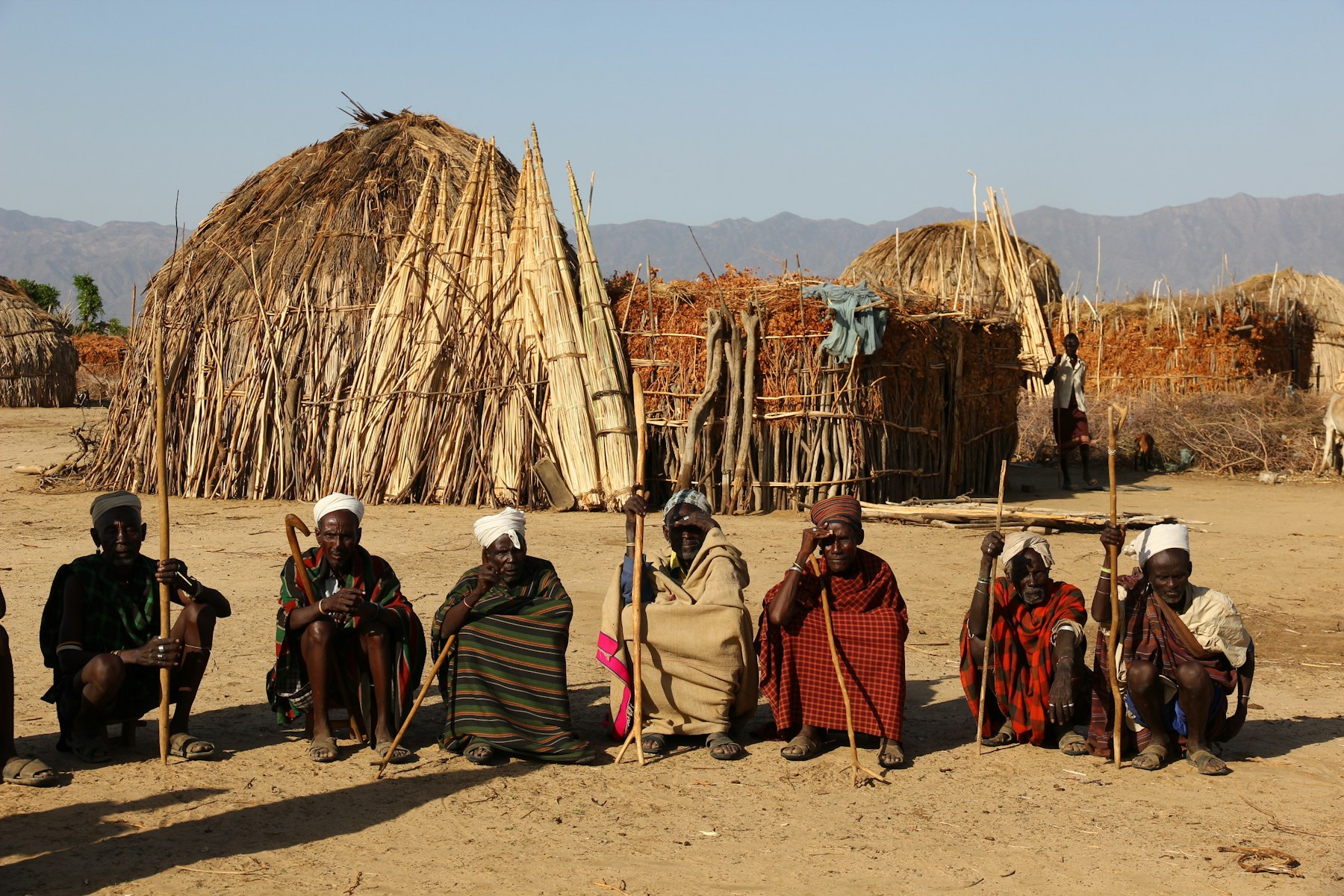
Day 10The Mursi in Mago, Then TurmiTurmi
You leave early on the rough road into Mago National Park to spend the morning in a Mursi village with your local guide. Ask before any photograph and pay the fee to the person directly. In the afternoon the road runs south through Key Afer and Dimeka to Turmi.
Activities
Early drive into Mago National Park
Time in a Mursi village with a local guide
Afternoon drive to Turmi
Where you stay
Emerald Lodge, or similar
Meals
Breakfast, Lunch, Dinner
Day 11Korcho’s River Bluff and a Hamer EveningTurmi
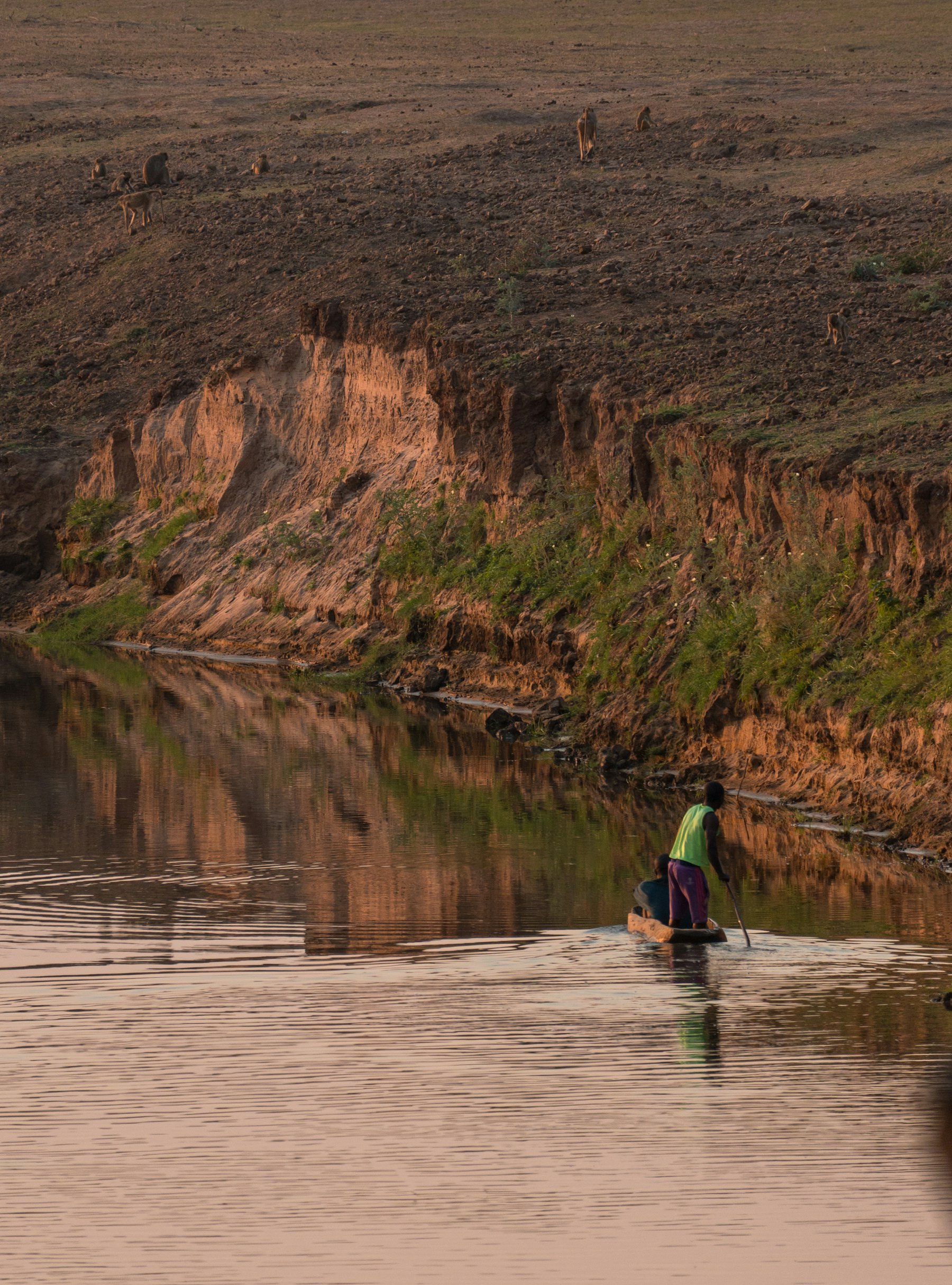
You spend the morning with the Karo at Korcho, the Omo River curving below the village. Late in the afternoon you visit a Hamer family near Turmi as the cattle come home.
Activities
Karo village at Korcho above the Omo River
Hamer village near Turmi
Where you stay
Emerald Lodge, or similar
Meals
Breakfast, Lunch, Dinner
Day 12Market Morning, Then Back to AddisAddis Ababa
If the day fits, you stop at a market on the way north: Turmi on Monday, Dimeka on Saturday, Key Afer on Thursday. From Jinka the afternoon flight takes you to Addis Ababa for the night.
Activities
Market stop if the day fits
Drive to Jinka
Afternoon flight to Addis Ababa
Where you stay
Jupiter Hotel Bole, or similar
Meals
Breakfast, Lunch
Day 13Crocodiles and Hippos on Lake ChamoArba Minch
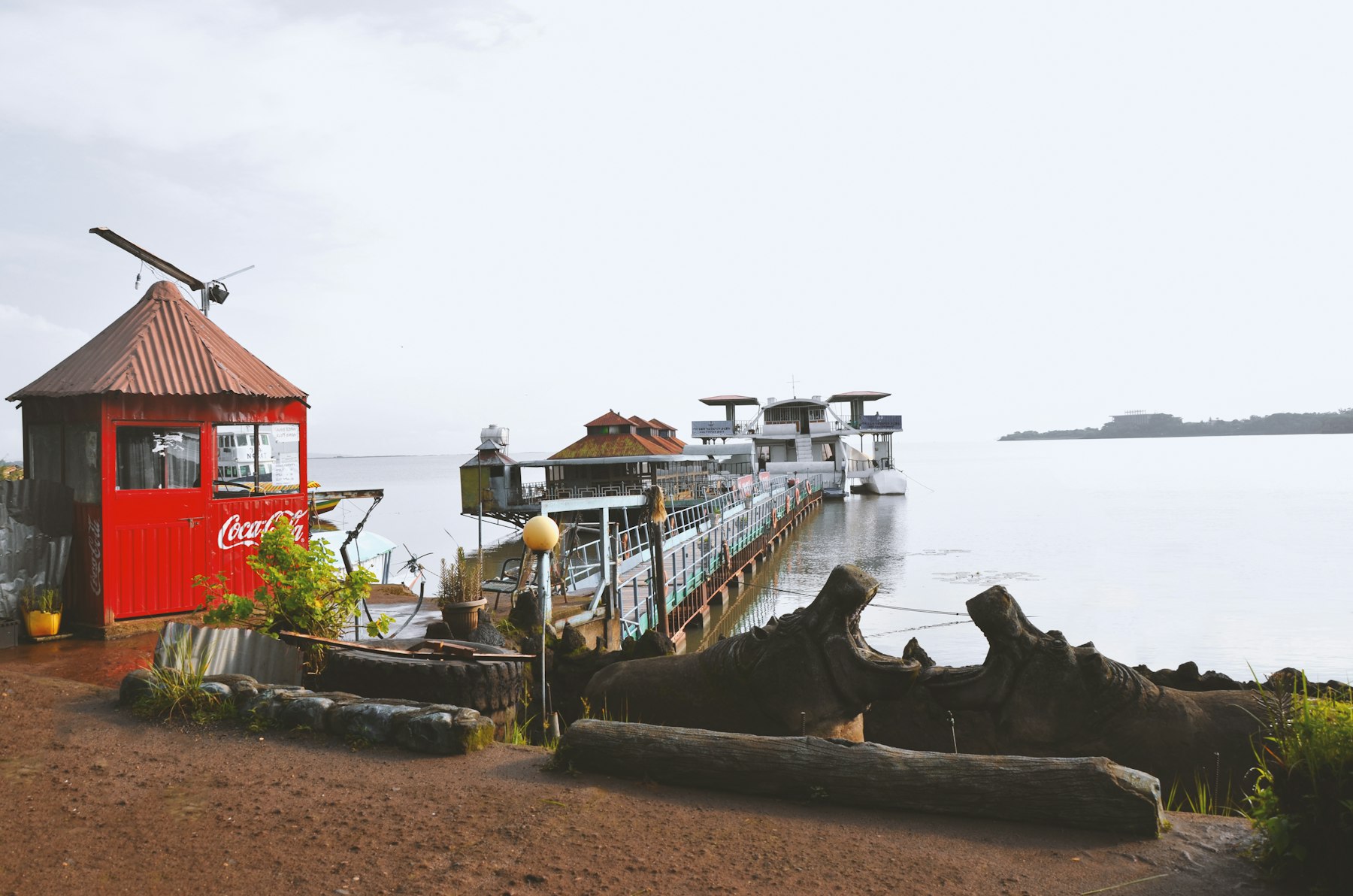
You fly to Arba Minch, whose name means “forty springs”, set between Lakes Abaya and Chamo. In the afternoon a boat takes you along Lake Chamo, past Nile crocodiles and hippos on the Nechisar National Park shore.
Activities
Flight to Arba Minch
Boat trip on Lake Chamo
Nile crocodiles and hippos
Where you stay
Emerald Resort, or similar
Meals
Breakfast, Lunch, Dinner
Day 14Bamboo Houses and Looms of the DorzeArba Minch
You drive up into the cool Chencha hills to a Dorze village. A Dorze family shows you their tall bamboo houses, shaped like beehives, the looms where they weave cotton shamma cloth, and how kocho, a flatbread, is made from enset.
Activities
Dorze bamboo houses
Weaving on traditional looms
Making and tasting kocho
Where you stay
Emerald Resort, or similar
Meals
Breakfast, Lunch, Dinner
Day 15Addis Ababa, Capital of AfricaAddis Ababa
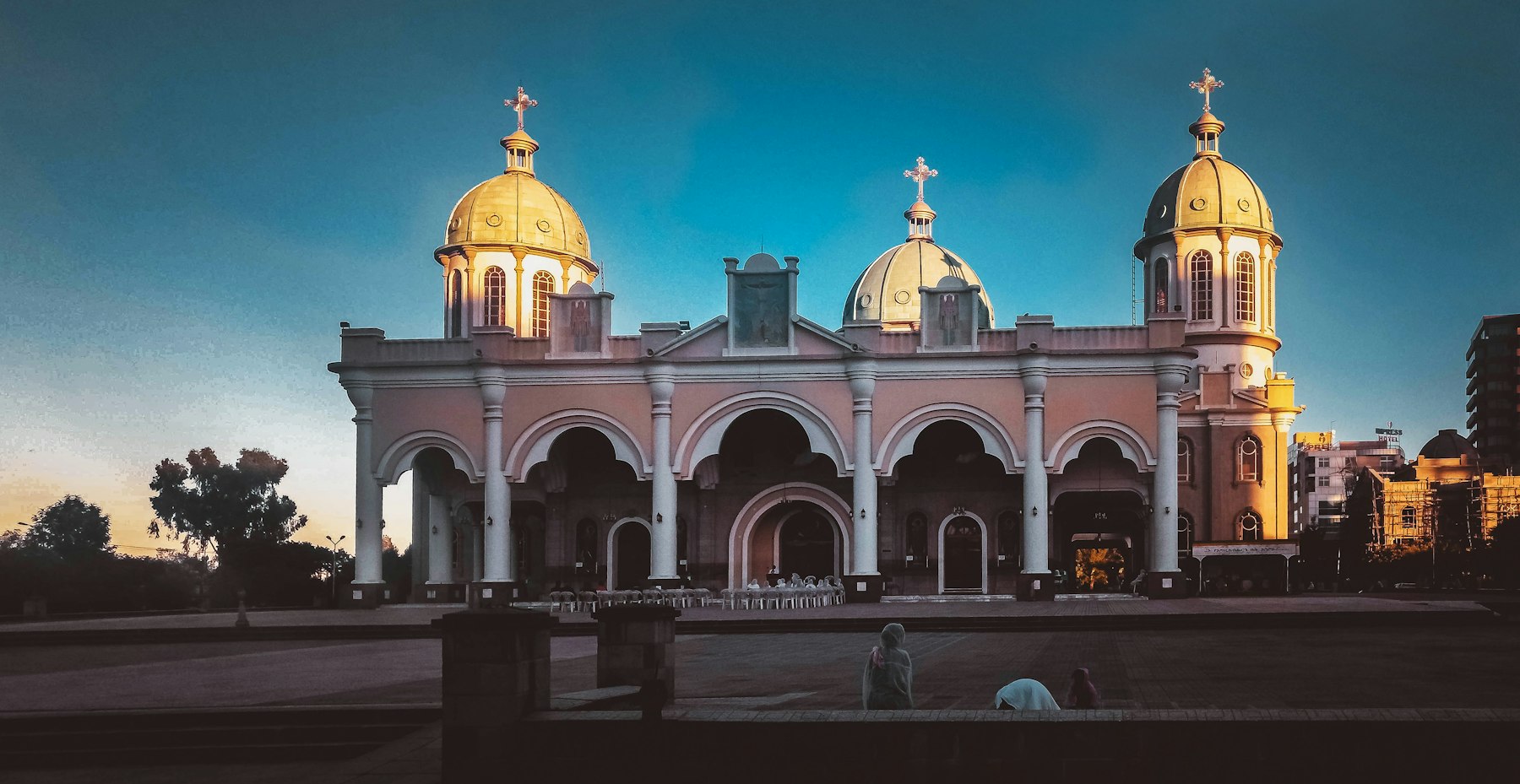
A morning flight returns you to Addis, seat of the African Union. In the afternoon you see the National Museum’s human-origins gallery, with casts of Lucy (3.2 million years old) and Selam, the child found at Dikika (about 3.3 million years old), then Haile Selassie’s tomb at Holy Trinity and the hammering and spice of Merkato.
Activities
Flight from Arba Minch to Addis Ababa
National Museum
Holy Trinity Cathedral
Merkato walk
Where you stay
Jupiter Hotel Bole, or similar
Meals
Breakfast, Lunch
Day 16Last Coffee in Addis, Then HomeAddis Ababa
A slow morning, a farewell lunch and a last coffee ceremony. Your guide then takes you to Bole International Airport for your flight home.
Activities
Free morning
Farewell lunch and coffee ceremony
Airport transfer
Meals
Breakfast, Lunch
Itineraries can change with weather, road and flight conditions. We will tell you promptly if they do.
Gallery
A look at the trip
Photo: Unsplash
Good to know
Before you book
Guide languages
English, Amharic
Minimum age
10 years and over
Group size
1 to 12 travellers
Meeting point
Bole International Airport, Addis Ababa. Your guide meets you in arrivals with a name sign.
Accessibility
Lalibela has uneven steps and narrow tunnels, and the Omo roads are long, rough and hot. Not suitable for wheelchairs.
What to bring
Warm layer for highland evenings
Sun hat and sunscreen
Socks for church visits (shoes come off)
A flashlight for Lalibela’s tunnels
Small notes for photo fees
Dress code: Shoulders and knees covered in churches and in the Omo villages; women bring a light scarf for the north.
Cancellation policy
This tour follows the Strict policy. Days are whole calendar days before departure.
Cancellation policy
When you cancel
What you get back
30 or more days before departure
50% refund
Fewer than 30 days before departure
No refund
A non-refundable USD 600 per traveller (domestic flights) is deducted before these percentages are applied.